

What is a hostel and how does it work? When it comes to travelling, one of the most important decisions is where to stay. In recent years, hostels have become a popular option for those looking for a more connected, dynamic and, above all, affordable experience. But do we really know what a hostel is and how it works? Welcome to Pars Tailor’s Hostel and Pars Teatro Hostel, where we offer you much more than a place to sleep. Boutique Hostels in the Centre of Barcelona
In this article, we will explain in detail what a hostel is, what it is like to stay in one, how it differs from other types of accommodation, and why it can be the ideal choice for certain types of travellers. Get ready to discover a different and unique way of living your adventures.
A hostel, also known as a youth hostel or hostal in some regions, is a type of shared accommodation whose main focus is to provide affordable spaces and encourage interaction between travellers. Its main feature is that it offers shared rooms, usually with bunk beds, where people who don’t know each other stay together. However, they may also have private rooms for those looking for a little more privacy.
This type of accommodation is very common among backpackers, students, digital nomads and solo travellers, although there are also options for couples and groups. More than just a place to sleep, hostels usually offer a complete social experience, with common areas such as shared kitchens, lounges, terraces and organised activities, all focused on creating a temporary community among travellers. Here you can see how to get to Pars Teatro Hostel and Pars Tailor’s Hostel
What really sets a hostel apart from a traditional hotel is its collaborative side. From sharing a room to cooking together or taking part in group activities, everything revolves around the idea of community. This makes the atmosphere relaxed and friendly, ideal for making new friends and learning about other cultures.
The philosophy of hostels is simple: offer affordable accommodation without sacrificing the quality of the experience. Most of them let you book individual beds in shared dorms or entire private rooms. Let’s look at how a hostel normally works, from arrival to departure.
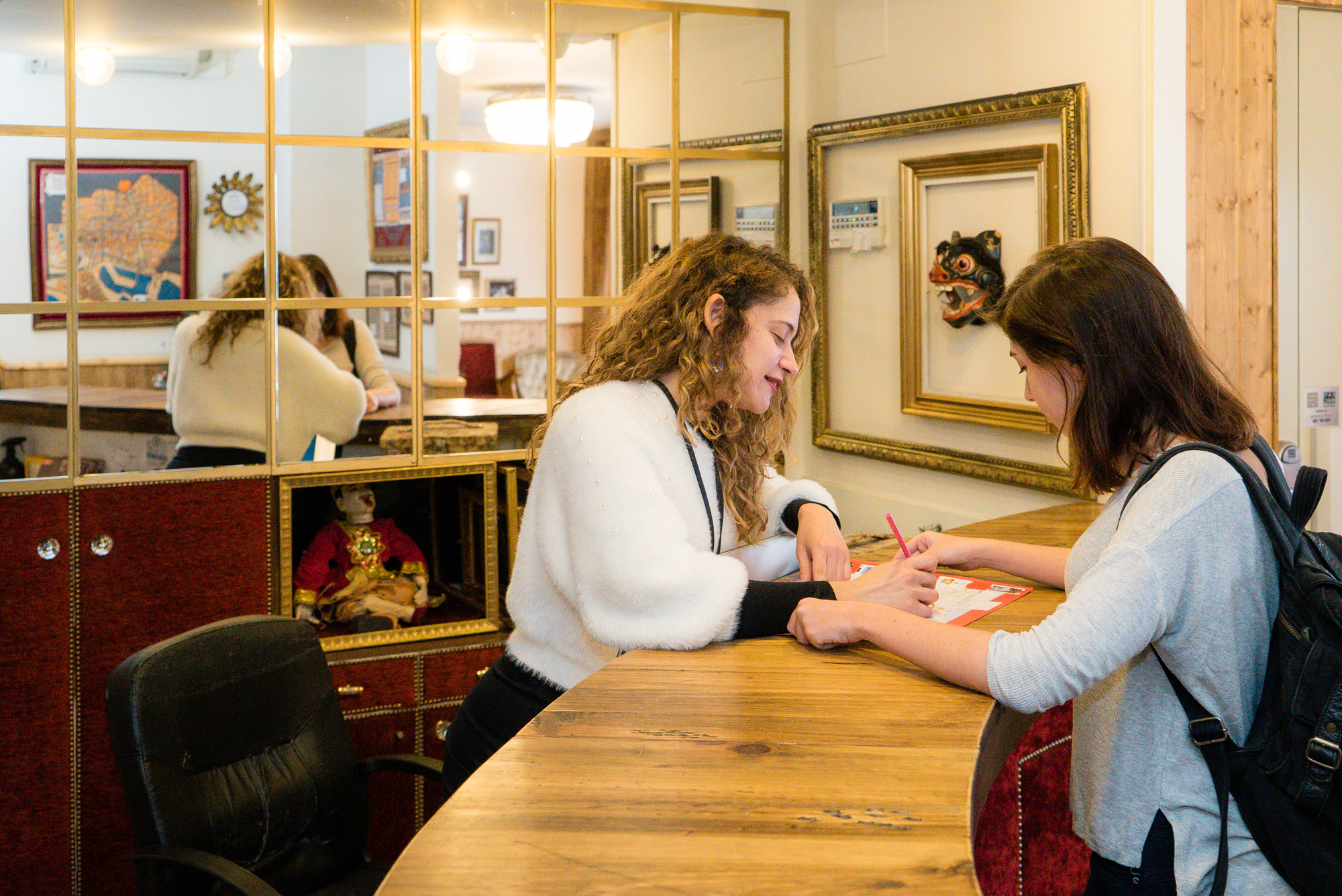
Checking in at a hostel is usually quite simple. The reception desk, often run by a young, multilingual team, provides detailed information on the house rules, common hours and local recommendations. Many hostels also provide a free city map, discount cards or even guided tours.
If you book a bed in a shared room, you will likely be sleeping alongside people from different parts of the world. Some rooms are mixed, others are for men or women only; it all depends on the hostel and your preferences. Each guest usually has their own bunk, storage space (usually a locker or storage box) and, in many cases, access to shared bathrooms.
Shared spaces are the soul of a hostel. Fully equipped kitchens allow guests to save money by cooking for themselves. The shared lounges, patios and terraces invite you to socialise by playing board games, watching films or simply chatting.
Some hostels even have coworking spaces, their own bars, yoga classes, themed parties and exclusive tours. These offerings turn the accommodation into a complete experience, particularly attractive for modern travellers.
Like everything, hostels have their pros and cons. The best choice will depend on your travel style and personal needs.
Hostels suit different types of travellers. Although they are associated with young people, today many adults, families and even seniors enjoy this experience thanks to the warmth of the atmosphere and the affordable prices.
The essence of hostels is not simply sleeping cheaply. It is living an experience, getting to know new cultures, being surprised by shared stories and creating memories that go beyond the trip. In an increasingly connected world, hostels offer that human spark so necessary in the way we travel.
Yes, hostels are generally very safe. Most of them offer personal lockers to keep valuables secure, 24-hour reception and restricted access. As anywhere, using common sense is the best safety measure.
No. Many hostels offer private room options with their own bathroom, for those who want more privacy without giving up the social benefits this type of accommodation provides.
It depends on the hostel. Some include bed linen and towels in the price, others offer them for an extra charge. It is advisable to check this information when making your booking.
Staying in a hostel is not just about saving money, but also about opening yourself up to experiences that enrich any trip. Whether for its community feel, its strategic location or its international atmosphere, hostels stand out as a modern, smart option for those who value human connection as much as the destination itself. In short, if you are planning your next getaway, consider giving this type of accommodation a chance. You may come back not only with photos, but also with new friends.